See what keeps returning, who owns the correction, and whether the result holds.
See where the business keeps paying for the same loss.
Notice the change. Make the next conversation count.
Also available: Maintenance & Reliability · IT & Systems · Executive Leadership
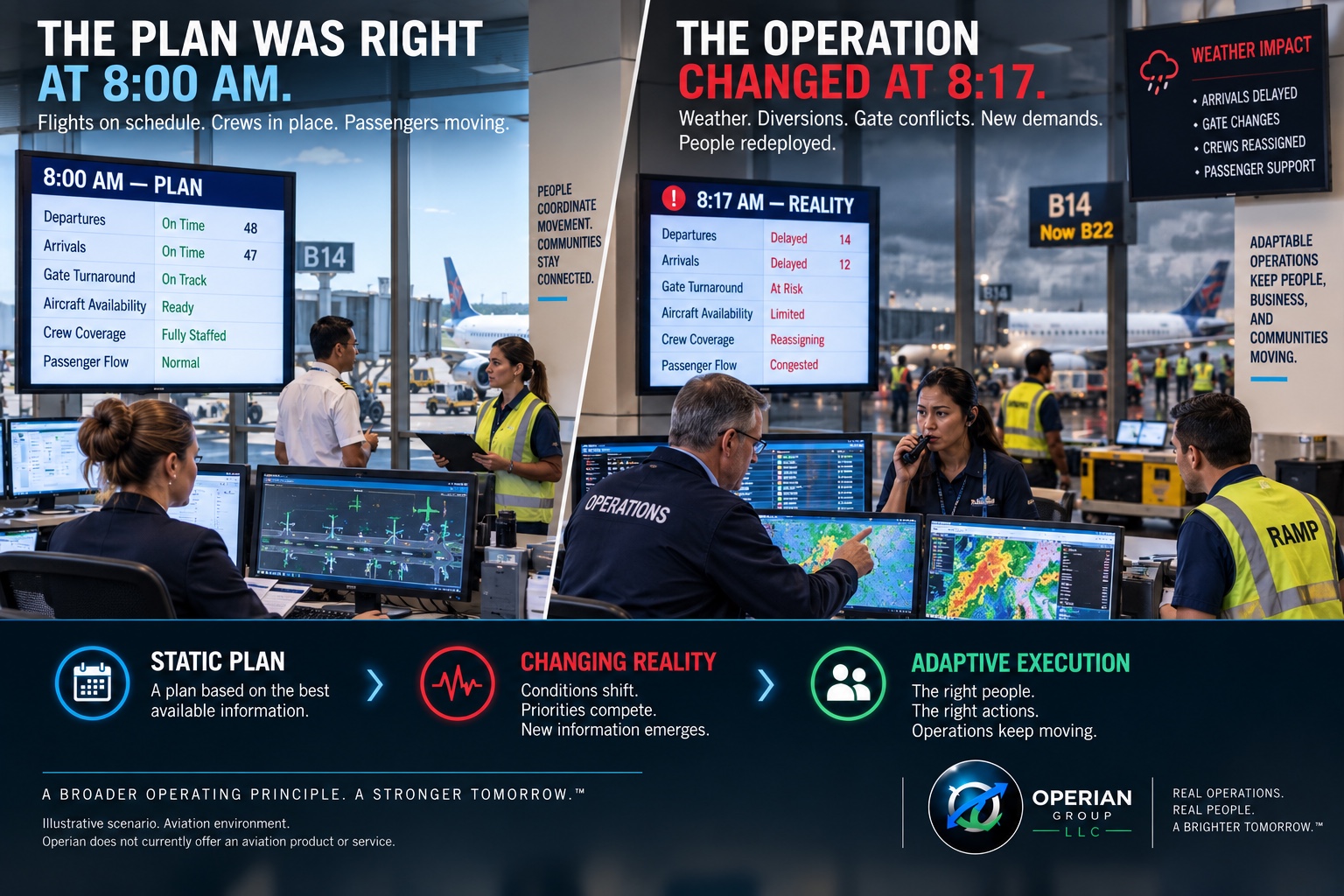
People experience them. Systems record portions of them. Reports capture pieces of them. The final outcome eventually becomes visible. The challenge is connecting enough of the story for the right people to understand what's happening, determine what matters, coordinate the appropriate action, verify what changed, and learn from the result.
Read the full thesisDifferent environments demonstrate different portions of this problem. Technology organizes information; people verify, decide, and act.
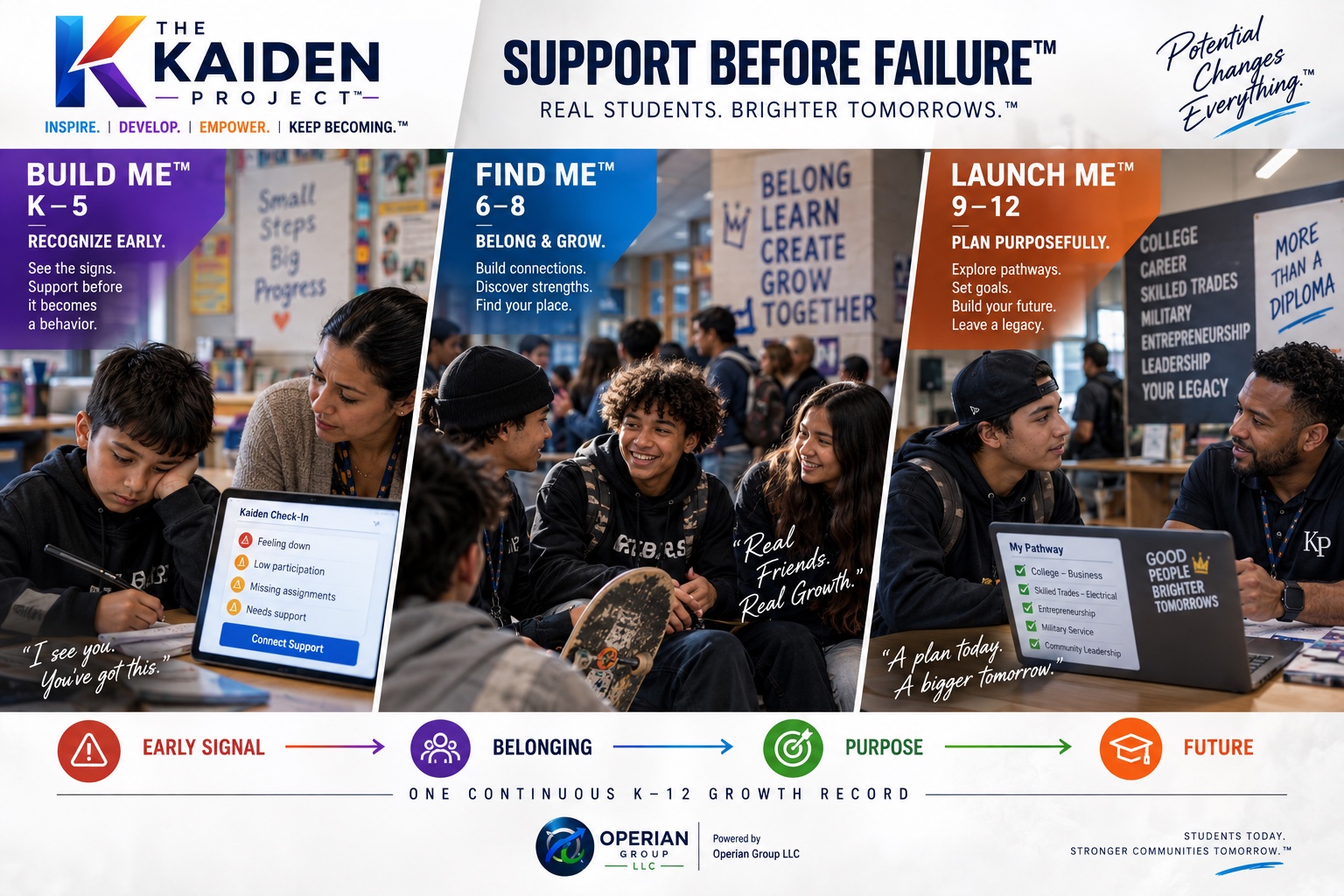
A student's confidence can be slipping for weeks before a grade shows it. A production line's root cause can quietly return three months after it was "fixed." Different environments, different stakes — but the same structural failure underneath: a signal existed, the right person didn't get it in time, and no one verified whether the response actually worked.
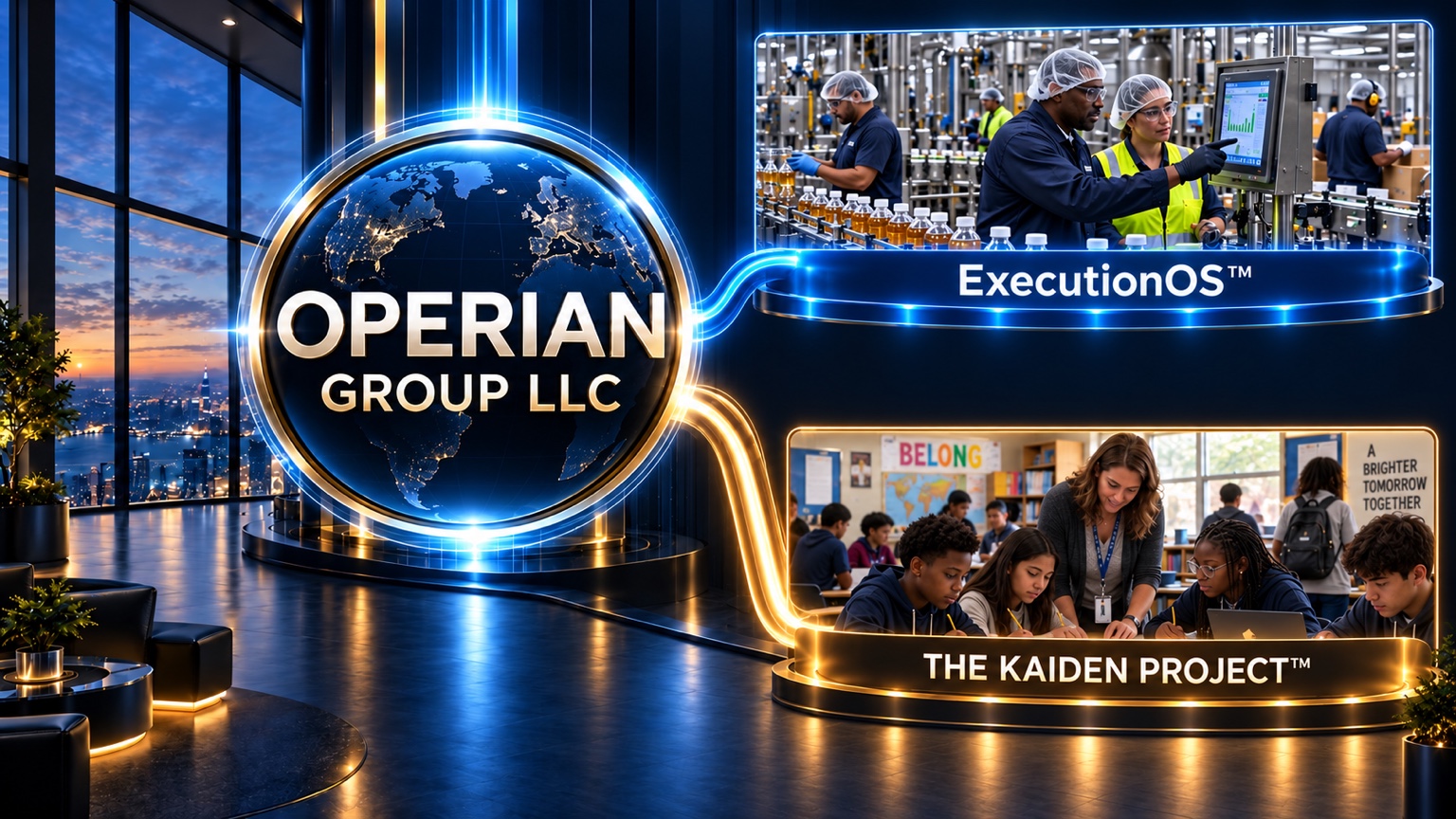
That's why The Kaiden Project™ and ExecutionOS™ live under one company instead of two. They aren't a school product and a manufacturing product that happen to share a founder. They're the same operating discipline — signal, capture, context, verify, route, act, follow-up, result, learn — built for two environments where getting it right matters most: how a student grows, and how an operation executes.
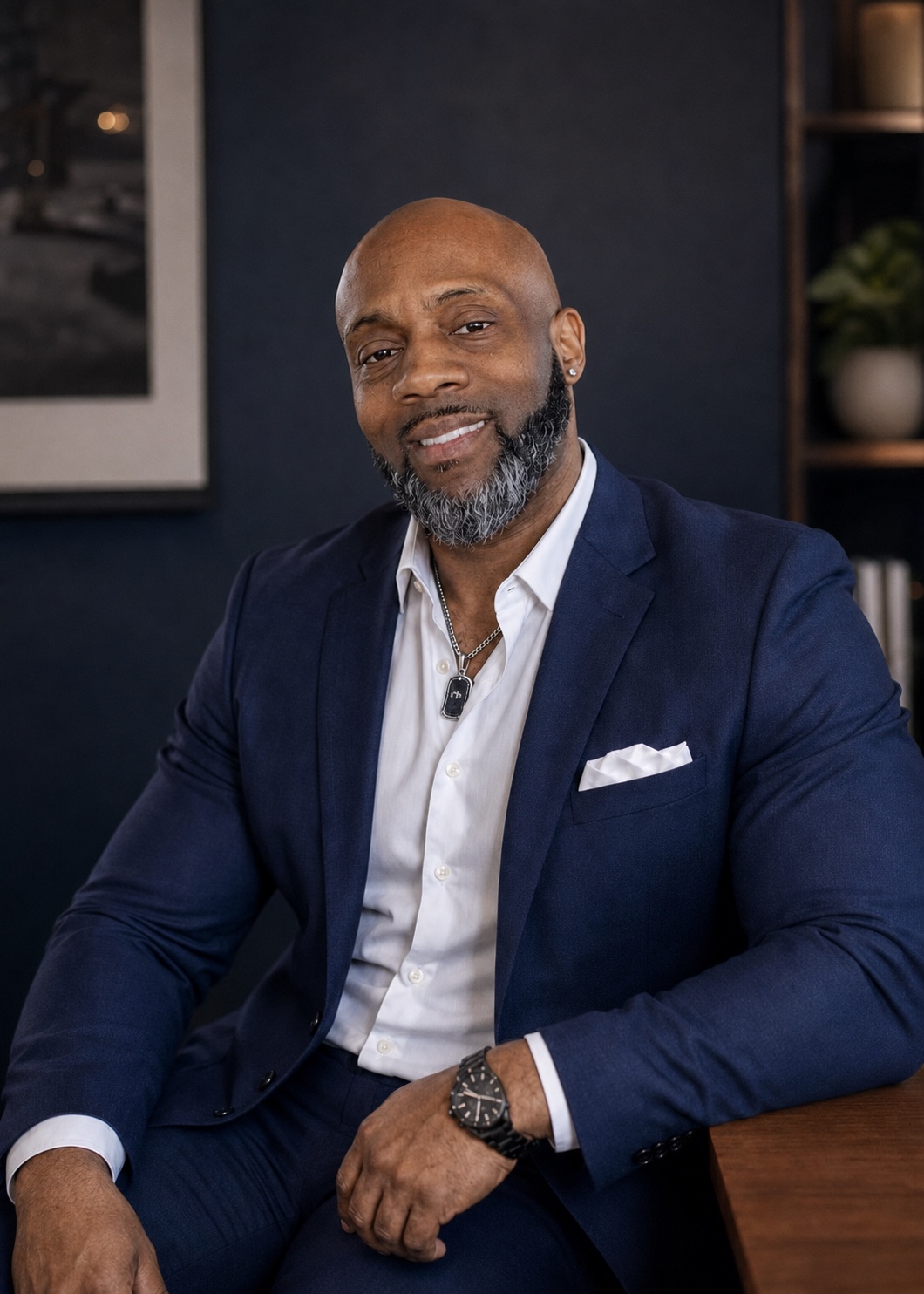
For more than 23 years, Raymond Anderson led operations inside food manufacturing facilities — watching hardworking people do their best inside systems that were never designed to connect information, ownership, resources, execution, and verification.
Read Raymond's story